Equipment finance lets a business pay for vehicles, machinery or tools over time instead of paying the full price upfront. The main arrangements in Australia are a chattel mortgage or other commercial loan, hire purchase, rent to buy and leasing. When you compare them, the key questions are the full payment commitment, who owns the asset and what happens if repayments are not met. Tax is a separate question: the ATO’s $20,000 instant asset write-off is about deductions, not whether you qualify for finance.
For business owners across Australia, the checks below connect equipment funding with the broader decisions covered in our business finance guide: costs, cash flow, contract terms and tax treatment.
Key takeaways
- Business.gov.au defines hire purchase as instalment payments followed by ownership after the final payment; rent to buy provides a purchase option.
- Business.gov.au explains that a larger balloon payment means lower periodic repayments but leaves a final lump sum.
- The ATO’s $20,000 instant asset write-off limit applies per eligible asset first used or installed ready for use on or after 1 July 2023, subject to eligibility conditions.
- ASIC warns that commercial borrowing does not have the same legal protections as consumer borrowing.
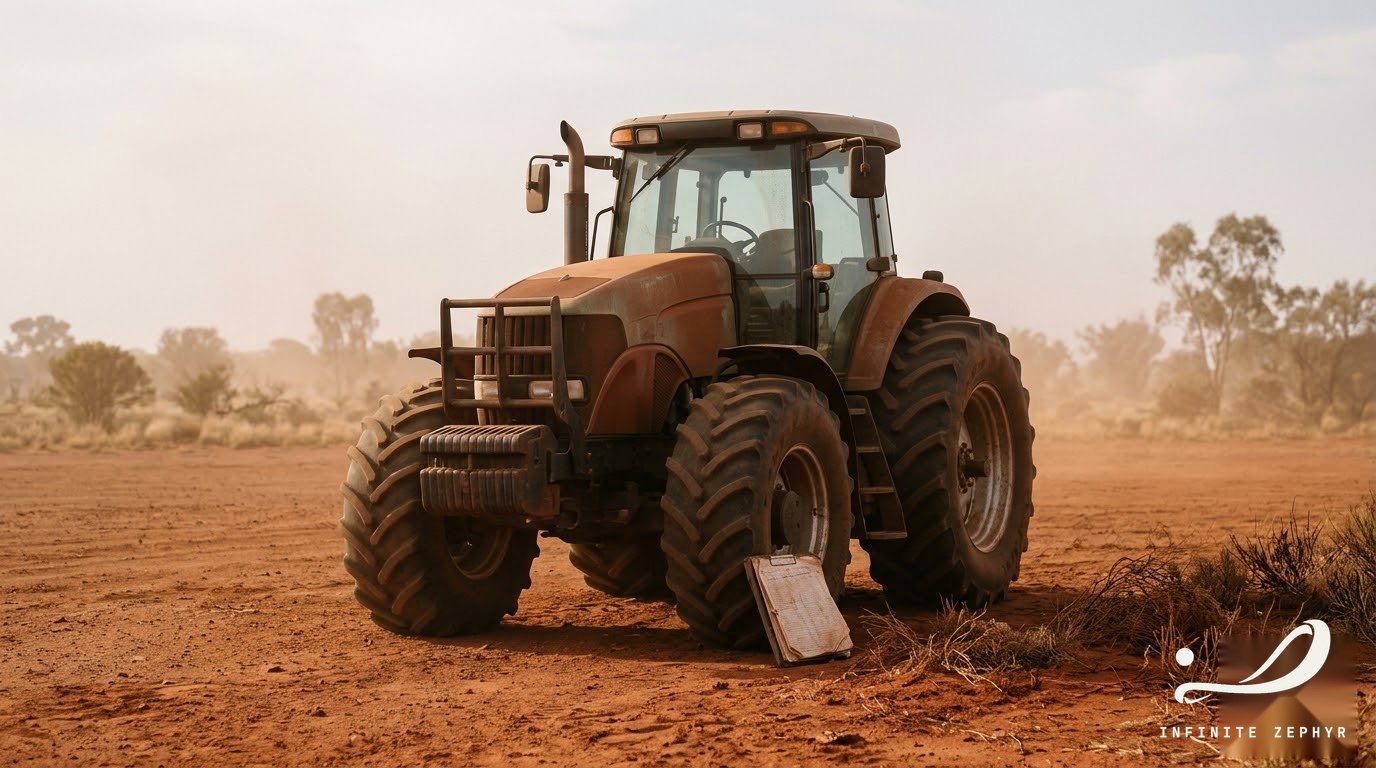
What Is Equipment Finance in Australia?
ASIC describes commercial loans as funding business activities and purchases, including machinery. Business.gov.au describes hire purchase as an arrangement where you obtain ownership after the final payment. With rent to buy, you have an option to buy or continue leasing.
Ownership and the lender’s rights are separate questions. Business.gov.au describes asset security as property a lender can take ownership of if you do not repay a loan. Owning equipment therefore does not, by itself, explain the lender’s rights over it.
Equipment Loan vs Lease vs Hire Purchase: Compare Your Options
Business.gov.au’s financial terms guide explains that with a chattel mortgage the business owns the asset from the start, and distinguishes hire purchase from rent to buy: with hire purchase, you obtain ownership after the final payment; with rent to buy, you have an option to buy or continue leasing. The comparison below separates those ownership outcomes from the payment and tax questions to check in your quote.
| Arrangement | Ownership and end-of-term check | Payment and tax check |
|---|---|---|
| Chattel mortgage | Business.gov.au says the business owns the asset from the start | Regular payments; a balloon can reduce them but leaves a final lump sum |
| Other commercial loan quote | Identify the owner and the lender’s rights over the asset | Record repayments, fees and any balloon; confirm tax treatment |
| Hire purchase | Business.gov.au says ownership follows the final payment | Initial deposit, instalments and interest; confirm applicable tax treatment |
| Rent to buy | Business.gov.au says you may buy after the final payment or continue renting | Initial deposit and instalments; confirm the purchase-option terms |
When a balloon may not fit
A balloon arrangement may not suit your business if it lacks sufficient funds for the final lump sum. Business.gov.au explains that a larger balloon accompanies lower periodic repayments, so a smaller regular payment does not remove your remaining obligation.
A comparison with paying cash or delaying the purchase can also separate the equipment decision from the borrowing decision. The question is whether your business can support the full commitment, not simply the next repayment.
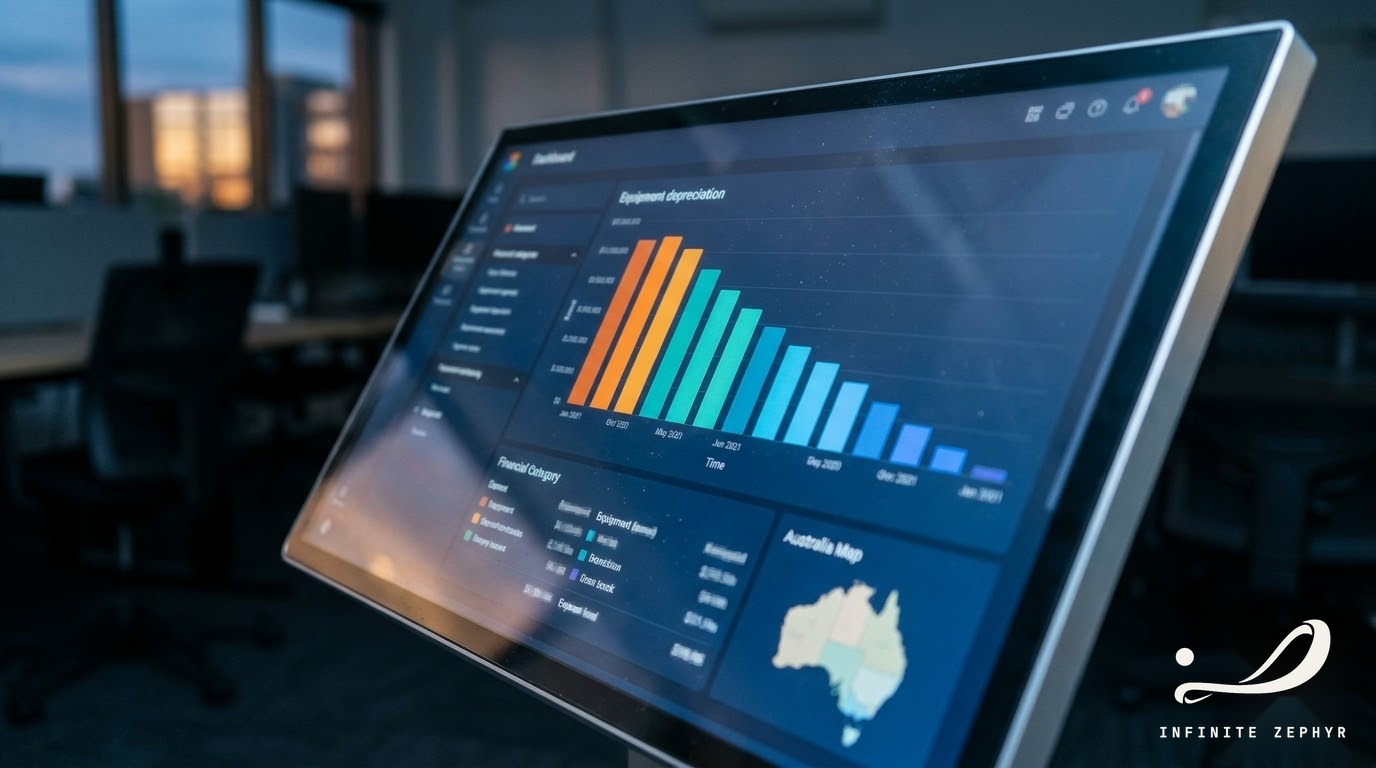
How to Compare the Total Cost of Equipment Finance
Moneysmart’s car loan guide explains that a balloon can lower your monthly repayments while generally increasing total borrowing costs. That guidance concerns car loans; for an equipment quote, the comparison needs the repayments, final payment and disclosed fees in your proposed contract.
A worksheet for each quote can use the same inclusions and payment frequency:
| Field | What to record |
|---|---|
| Upfront payment | Deposit or other amount payable at commencement |
| Periodic repayments | Payment amount, frequency and total across the term |
| Final payment | Any balloon or other contractual end payment |
| Disclosed fees | Each fee, when payable and whether already included elsewhere |
| Total contractual cash outlay | Upfront payment, total repayments, final payment and fees counted once |
| Vehicle costs, separately | Stamp duty, registration, insurance and running costs |
If your repayments already include the original loan principal, adding that principal again would double-count it. Likewise, whether your quoted repayment total includes the balloon determines whether it belongs as a separate addition.
Business.gov.au defines a balloon as a final lump sum due on a loan. Your quote’s payment schedule can show the amount due at the end.
For vehicles, Moneysmart identifies establishment, broker, introducer, ongoing service and missed-payment charges as possible costs. These are checks for your vehicle quote, not a universal fee list for machinery.
What Should an Equipment Finance Agreement Be Checked For?
An equipment finance agreement needs scrutiny beyond price because commercial borrowing has different legal protections from consumer credit. ASIC’s guidance on commercial loan disputes identifies fees, repayment arrangements, default consequences and rights over assets as potential dispute areas. Your access to AFCA also depends on membership and the complaint’s circumstances.
A practical contract checklist includes:
- Payment obligations: What are your repayments, fees and final lump sum, including due dates?
- Security provisions: Which assets can the lender claim rights over if you do not repay?
- Guarantees: Does the agreement request a personal guarantee, and what would it mean for you?
- Exit terms: What happens on early repayment, termination, sale or return of the asset?
- Default provisions: What missed-payment charges and enforcement rights apply?
- Complaint access: Is your financier an AFCA member, rather than membership being assumed?
ASIC explains that a business providing only commercial loans is not legally required to hold an Australian credit licence or join AFCA. Your complaint options therefore depend in part on the particular firm.

GST, Depreciation and Tax Deductions: What Differs?
Your eligibility for the ATO’s instant asset write-off depends on the asset’s cost, use timing, aggregated turnover and use of the simplified depreciation rules. The ATO’s instant asset write-off guidance lists a $20,000 threshold per eligible asset for specified periods beginning 1 July 2023. The asset must first be used or installed ready for use on or after 1 July 2023; eligibility also includes aggregated turnover below $10 million and use of the simplified depreciation rules.
Your asset’s full cost must be below the threshold. Aggregated turnover includes relevant affiliates and connected entities, not just your purchasing business’s turnover.
Illustrative example (hypothetical, not a real client): A business owner buys a ute for $40,000 and uses it 40% for business. Assume the business otherwise meets the ATO’s eligibility requirements. These figures match an ATO example; they are not typical equipment costs.
Business-use portion: $40,000 × 40% = $16,000.
Full-cost threshold test: $40,000 > $20,000.
Although $16,000 is below $20,000, the full asset cost exceeds the threshold. The $16,000 business-use portion goes into the small business pool rather than being immediately deducted.
This example does not calculate depreciation, GST credits, tax savings or repayments.
Not sure how this applies to you?
Start with a free Financial Health Check™ — a simple way to see where you stand before any advice is given.
The order matters: your asset’s full cost is tested first, before the business-use portion is calculated.
Vehicle GST and car limits
The ATO’s vehicle purchase guidance generally links your eligibility for GST credits to GST registration, a tax invoice and business use. If you use the vehicle for both business and private purposes, your credit is generally limited to the business proportion.
The ATO’s car limit for 2026–27 is $69,883. Where the purchase GST restriction applies, the usual maximum credit for 2026–27 is $6,353.
Before assuming a claim, the relevant checks are:
- Your aggregated turnover and eligibility for simplified depreciation.
- Each asset’s full cost and first-use or ready-for-use date.
- Your GST registration, tax invoice and business-use proportion.
- Whether your vehicle meets the passenger-car definition and whether an exception applies.
Prepare Your Documents and Test Your Cash Flow
Your preparation file can bring the asset quote, proposed contract and payment schedule together, without assuming a universal lender checklist. ASIC’s commercial lending guidance highlights repayment arrangements and valuations as relevant issues. The evidence your financier requires depends on the particular application, so ask for its list before you apply.
Useful questions include:
- Does your payment schedule remain manageable during weaker trading periods?
- How does your repayment commitment compare with the equipment’s expected useful life?
- What funds would meet your balloon when it falls due?
- What happens if selling your asset does not clear the debt?
Moneysmart warns that a vehicle’s sale proceeds may not cover your remaining loan. A repayment plan that depends on resale therefore needs that shortfall considered.
For commercial vehicles, our truck finance guide covers the narrower funding questions. For passenger vehicles, there is also our business car loan guide.
If you want help working through the numbers before you speak to a lender, see how we work with business owners and our pricing, or visit the Infinite Zephyr homepage.
A complete comparison file brings together your quote, contract, payment schedule and questions for the financier and tax agent.
Tax laws are complex and subject to change. This information is a general summary only and should not be relied upon as formal tax advice.
Frequently Asked Questions
Can used equipment qualify for the instant asset write-off?
The ATO allows eligible new and used assets. Your asset must still meet the cost threshold, timing requirements and other eligibility conditions.
Does a business-use amount below $20,000 establish eligibility?
No. The ATO tests your asset’s full cost against the threshold before applying the business-use proportion. A lower business-use amount does not bring an otherwise over-threshold asset within the write-off.
Can GST credits apply to car lease payments?
The ATO’s vehicle guidance says you may claim GST credits for the GST in individual lease payments according to business use. Those credits are not capped at one-eleventh of the car limit.
Is luxury car tax included in a GST credit?
No. The ATO’s vehicle purchase guidance states that you cannot claim a GST credit for luxury car tax. That is separate from whether other GST in your transaction is creditable.
Where can a business raise a commercial loan complaint?
ASIC says to contact your broker or lender first. If the complaint remains unresolved, AFCA may be available, depending on your financier’s membership, the complaint and AFCA’s limits.
Next step
Planning an equipment or vehicle purchase?
We can help you work through the finance structure, the documents a lender may ask for and how the repayments fit your cash flow.
Start with a free Financial Health Check™
General information only. Personal advice requires an agreed scope and may need a Statement of Advice (SOA) or Record of Advice (ROA). Fees are agreed in writing before you start.
Sources: Business.gov.au, key financial terms; Moneysmart, car loans; ASIC, disputes about commercial loans; ATO, instant asset write-off, purchasing a motor vehicle.
General information only. This article is general in nature and is not personal financial, credit, legal or tax advice. It doesn’t take into account your objectives, financial situation or needs, so consider whether it suits you and get advice from a licensed adviser and a registered tax agent before acting. Rules on tax, super and lending change. This article reflects legislation and ATO/ASIC guidance current as of 2026 and isn’t updated retrospectively, so confirm current rules with a registered tax agent or the ATO. Past performance is not a reliable indicator of future performance.
Infinite Zephyr is an Authorised Representative (AR 001268024) of NDT Capital Pty Ltd (AFSL 558899). Dean Nguyen is a Credit Representative (CRN 513835) of Outsource Financial Pty Ltd (ACL 384324). Verify us on the ASIC Financial Advisers Register. For complaints, contact AFCA.