For Vietnamese-Australian business owners in Sydney, effective financial planning extends beyond immediate profits to encompass long-term family prosperity and cultural values. The unique blend of entrepreneurial drive and a strong emphasis on family legacy often shapes financial decisions, making tailored strategies essential for sustainable growth and wealth preservation across generations. This article focuses on financial planning for Vietnamese-Australian business owners in Sydney.
This article explores key financial planning strategies specifically designed for Vietnamese-Australian business owners in Sydney, focusing on intergenerational wealth transfer, succession planning, and understanding the Australian financial landscape while honouring cultural considerations. We will cover critical areas such as tax, superannuation, investment, and risk management, providing a comprehensive guide to securing your family’s financial future.
Financial planning for Vietnamese-Australian business owners: at a glance
Effective financial planning for Vietnamese-Australian business owners in Sydney requires a nuanced approach that acknowledges both the Australian regulatory environment and specific cultural dynamics. Many Vietnamese-Australian businesses are family-owned, often operating in sectors like hospitality, retail, and professional services. These businesses frequently aim to build a strong financial foundation not just for the current generation, but for future generations as well, making intergenerational wealth a central theme.
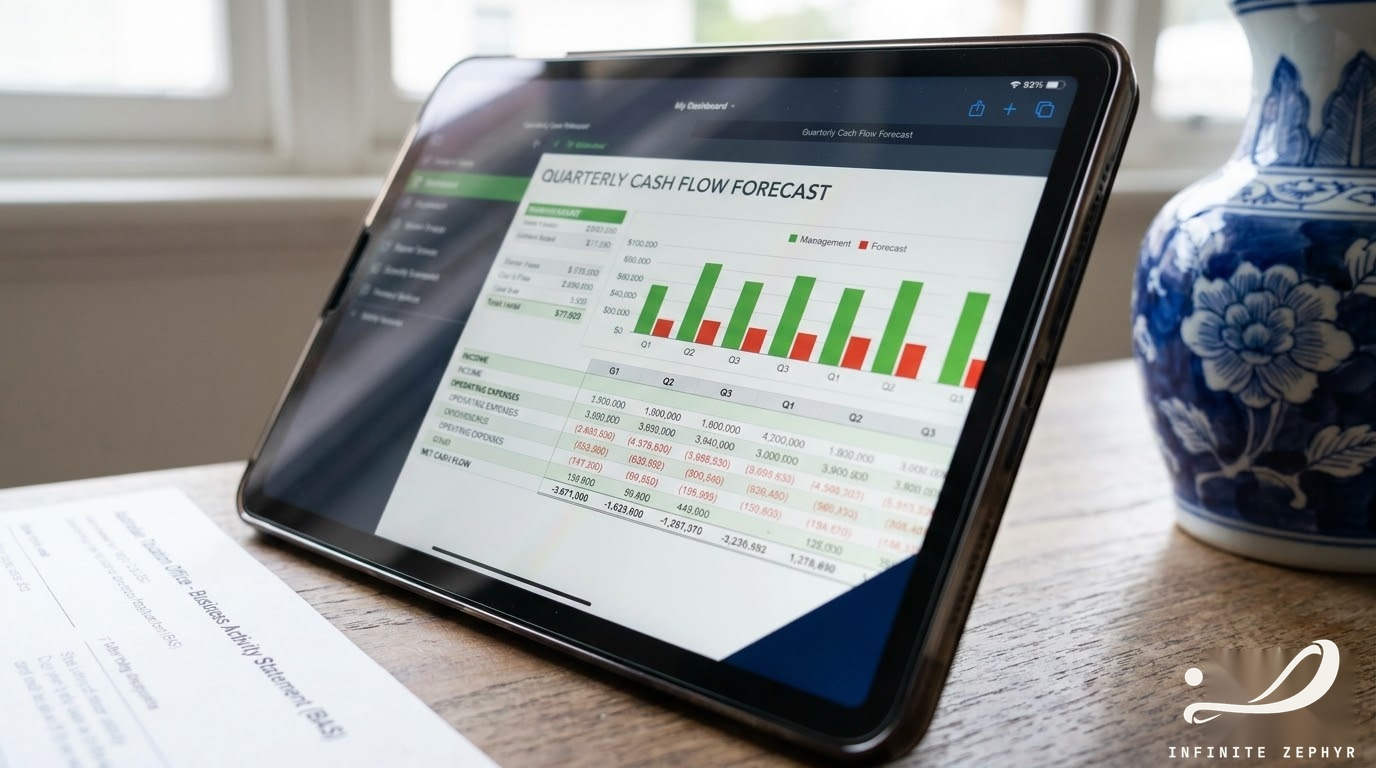
Key areas of focus typically include optimising business structures for tax efficiency, managing cash flow, and developing robust investment strategies. Understanding the Australian taxation system, including income tax, GST, and capital gains tax, is crucial for maximising profitability and compliance. The Australian Taxation Office (ATO) provides extensive resources, but understanding these complexities often benefits from professional guidance. Furthermore, integrating personal and business finances is a common challenge, necessitating a holistic approach to wealth management.
Beyond the technical aspects, cultural considerations play a significant role. The concept of ‘filial piety’ and the desire to provide for elders and future generations often influence investment decisions and the structure of family businesses. This can lead to unique challenges and opportunities in areas like estate planning and business succession. For comprehensive support, Infinite Zephyr offers a range of services, including financial planning and mortgage broking, designed to address the specific needs of business owners across Australia. Details on service costs can be found on our Pricing page.
Key financial considerations for Sydney’s Vietnamese-Australian entrepreneurs
- Business Structure Optimisation: Choosing the right legal structure (e.g., sole trader, partnership, company, trust) can significantly impact tax obligations, liability, and ease of succession.
- Tax Planning: Proactive tax planning is essential to minimise tax liabilities and maximise available deductions, particularly for small businesses in Sydney.
- Superannuation: Understanding how superannuation works for self-employed individuals and business owners is vital for retirement planning and potential tax benefits.
- Investment Strategies: Developing diversified investment portfolios that align with both short-term business goals and long-term family wealth objectives.
- Risk Management: Protecting business and personal assets through appropriate insurance and legal structures.
- Estate Planning: Ensuring a clear plan for the distribution of assets and business continuity in the event of unforeseen circumstances.
These elements form the bedrock of sound financial planning for Vietnamese-Australian business owners in Sydney, enabling them to build and preserve wealth effectively. The goal is to create a resilient financial framework that supports both current operations and the aspirations of future generations.

Intergenerational wealth transfer for family businesses
Intergenerational wealth transfer is a cornerstone of financial planning for many Vietnamese-Australian families in Sydney, reflecting a deep-seated cultural value of providing for future generations. This process involves more than just passing down assets; it encompasses the transfer of values, business acumen, and a legacy of hard work. Effective planning ensures that wealth is transferred efficiently, with minimal tax implications and without causing family disputes.
One of the primary challenges in intergenerational wealth transfer is balancing the needs of the current generation with the aspirations of the next. This often involves complex discussions about control, ownership, and the roles of family members in the business. For example, a common strategy for investors looking to manage tax and facilitate wealth transfer involves establishing family trusts. These structures can provide flexibility in distributing income and capital to beneficiaries, potentially reducing overall tax burdens and protecting assets from creditors.
Tax laws are complex and subject to change. This information is a general summary only and should not be relied upon as formal tax advice. It is crucial to consider the implications of capital gains tax, stamp duty, and inheritance laws (though Australia does not have a specific inheritance tax, assets transferred upon death may be subject to capital gains tax if they have appreciated). Engaging with professionals who understand both Australian financial regulations and the cultural nuances of Vietnamese-Australian families can be invaluable in understanding these intricate processes for financial planning for Vietnamese-Australian business owners in Sydney.
Strategies for seamless wealth transfer
- Family Trust Structures: Establishing a family trust can offer significant benefits for asset protection, tax efficiency, flexibility in income distribution, and estate planning.
- Early Communication: Open and honest discussions within the family about financial goals, expectations, and roles are crucial to prevent misunderstandings and ensure alignment.
- Education for Heirs: Preparing the next generation with financial literacy and business management skills is vital for them to effectively manage inherited wealth and businesses.
- Gifting Strategies: Utilising gifting strategies within legal limits can help transfer assets over time, potentially reducing future tax liabilities.
- Philanthropy: Incorporating philanthropic goals can also be a way to transfer values and create a lasting legacy beyond monetary wealth.
The process of intergenerational wealth transfer is ongoing and dynamic, requiring regular review and adjustment to adapt to changing family circumstances, business performance, and regulatory environments. A well-structured plan can ensure that the family’s legacy endures and thrives for many years to come.
Succession planning across generations
Succession planning is a critical component of financial planning for Vietnamese-Australian business owners in Sydney, particularly for family-owned enterprises. It involves strategically preparing for the transfer of leadership and ownership of a business to a new generation or external party. For many Vietnamese-Australian families, the goal is often to keep the business within the family, ensuring continuity and preserving the family’s legacy and hard work.
The process of succession planning can be complex, involving legal, financial, and emotional considerations. It requires careful thought about who will take over, when, and under what terms. A common challenge is identifying and developing suitable successors from within the family, ensuring they have the necessary skills, experience, and commitment. If no family member is suitable or willing, exploring external sale options becomes necessary, which also requires meticulous planning to maximise business value.
Key steps in effective succession planning include identifying potential successors, providing them with training and mentorship, and gradually transitioning responsibilities. This phased approach can help maintain business stability and minimise disruption. Furthermore, valuing the business accurately is essential, whether for internal transfer or external sale, to ensure a fair and equitable outcome for all parties involved. The Australia-Vietnam Business Engagement Program highlights the growing economic ties that can influence business valuations and opportunities.
Elements of a robust succession plan for financial planning for Vietnamese-Australian business owners in Sydney
- Identifying Successors: Determining who will take over leadership and ownership, whether family members or external candidates.
- Training and Development: Providing the chosen successors with the necessary skills, knowledge, and experience to run the business effectively.
- Valuation of the Business: Obtaining an accurate and independent valuation of the business to ensure fair terms for transfer or sale.
- Legal Documentation: Drafting comprehensive legal agreements, including wills, trusts, and shareholder agreements, to formalise the succession process.
- Financial Arrangements: Planning for the financial aspects of the transfer, such as funding the purchase of shares or providing for the retiring owner’s financial security.
- Communication Strategy: Openly communicating the succession plan to all stakeholders, including family members, employees, and key business partners.
A well-executed succession plan not only secures the future of the business but also provides peace of mind for the current owner, knowing that their legacy is in capable hands. It is an ongoing process that benefits from regular review and adaptation to changing circumstances.

Structuring wealth for a multi-generational family business
Structuring wealth effectively for a multi-generational family business is paramount for long-term sustainability and growth, especially for Vietnamese-Australian business owners in Sydney. This involves creating a robust framework that integrates business assets with personal wealth, ensuring both are managed cohesively and strategically. The goal is to protect assets, optimise tax outcomes, and facilitate smooth transitions of wealth and control across generations.
One common approach involves using a combination of legal entities, such as companies and trusts, to hold different types of assets. For instance, the operating business might be held within a company structure, while property or investment portfolios could be held in a family trust. This segregation can offer significant benefits in terms of asset protection from business risks and flexibility in distributing income and capital to family members, particularly where cross-border considerations might influence such structures.
For business owners in Sydney, understanding the interplay between personal and business finances is crucial. This includes how business profits are drawn, how superannuation contributions are made, and how personal investments are integrated into the overall wealth strategy. A comprehensive financial planning for business owners in Australia approach considers all these elements to create a unified strategy. Infinite Zephyr, for example, assists clients Australia-wide with video consultations, making expert advice accessible regardless of location.
Key strategies for multi-generational wealth structuring
| Strategy | Description | Benefits |
|---|---|---|
| Family Trusts | Legal entities that hold assets for the benefit of family members, managed by a trustee. | Asset protection, tax efficiency, flexibility in income distribution, estate planning. |
| Holding Companies | A company that owns shares in other companies, often used to hold the operating business. | Consolidated financial reporting, potential tax advantages, easier transfer of ownership. |
| Self-Managed Super Funds (SMSFs) | A superannuation fund where members are also the trustees, offering greater control over investments. | Investment control, potential tax benefits, ability to invest in business property (under strict rules). Requires significant time and responsibility to run compliantly. |
| Estate Planning Documents | Wills, Powers of Attorney, and Enduring Guardianships. | Ensures assets are distributed according to wishes, provides for incapacity, minimises disputes. |
| Shareholder Agreements | Legal contracts between shareholders of a company. | Defines rights and responsibilities, outlines procedures for share transfers, dispute resolution. |
By carefully structuring wealth, Vietnamese-Australian business owners can create a resilient financial legacy that supports both the current generation’s entrepreneurial endeavours and the long-term prosperity of their families. Regular reviews with a qualified financial adviser are essential to ensure these structures remain appropriate and compliant with evolving regulations.
Frequently Asked Questions (FAQs)
What are the key financial challenges for Vietnamese-Australian business owners in Sydney?
Vietnamese-Australian business owners in Sydney often face challenges such as understanding complex Australian tax laws, managing cash flow in competitive markets, securing appropriate financing, and balancing business growth with family obligations and intergenerational wealth transfer goals. Cultural considerations, such as a strong emphasis on family and community, can also influence financial decisions and business structures.
How can I effectively plan for my business’s succession while considering family values?
Effective succession planning involves open family discussions about roles, expectations, and the future vision for the business. It’s crucial to identify and train potential successors, formalise agreements through legal documents like wills and shareholder agreements, and consider structures like family trusts to facilitate a smooth transfer of ownership and control while honouring family values and ensuring business continuity.
What tax benefits and deductions are available for small businesses in Australia?
Small businesses in Australia may be eligible for various tax benefits and deductions, including instant asset write-off, simplified depreciation rules, small business income tax offset, and deductions for business expenses like rent, utilities, and employee wages. Eligibility often depends on the business structure and annual turnover. Consulting with a tax professional is recommended to maximise these benefits.
How does superannuation work for self-employed individuals in Australia?
For self-employed individuals in Australia, superannuation contributions are generally voluntary but highly recommended for retirement planning. Contributions can be tax-deductible, and earnings within the super fund are taxed at a concessional rate. It’s important to understand contribution caps and choose a super fund that aligns with your financial goals, whether an industry fund, retail fund, or a Self-Managed Super Fund (SMSF).
Where can I find a financial advisor in Sydney who understands Vietnamese cultural nuances?
While Infinite Zephyr does not currently offer Vietnamese-language consultations, you can find financial advisors in Sydney by using the ASIC Financial Advisers Register. When selecting an advisor, it is beneficial to discuss your specific cultural considerations and family values to ensure they can tailor advice that resonates with your unique circumstances. Look for advisors with experience in family business and intergenerational wealth planning.
What are the best investment strategies for long-term wealth creation for business owners?
Effective long-term investment strategies for business owners typically involve diversification across various asset classes (e.g., shares, property, fixed income), regular contributions, and a clear understanding of risk tolerance. Strategies may include investing through superannuation, establishing investment trusts, or direct property investment. The ‘best’ strategy depends on individual financial goals, time horizon, and risk appetite.
How can I protect my business and personal assets from unforeseen risks?
Protecting assets involves a multi-faceted approach, including appropriate insurance (e.g., business interruption, public liability, income protection), establishing robust legal structures like trusts or companies to separate personal and business assets, and having a comprehensive estate plan. Regular review of these protections with a financial and legal professional is essential to ensure they remain adequate.
What is the importance of estate planning for Vietnamese-Australian families?
Estate planning is crucial for Vietnamese-Australian families to ensure their assets are distributed according to their wishes, minimise potential family disputes, and provide for future generations. It involves creating a valid will, establishing powers of attorney, and potentially setting up trusts. This planning helps preserve family wealth and legacy, aligning with cultural values of providing for descendants.
Tax, superannuation, and regulatory information in this article is based on legislation and ATO/ASIC guidance current as of 2026. These rules are complex and subject to change, and this article is not updated retrospectively when they do. This information is a general summary only and should not be relied upon as formal tax advice — always confirm current rules with a registered tax agent or the ATO directly.
General Advice Warning: This information is general in nature only and does not constitute personal financial, legal, or tax advice. It has been prepared without taking into account your individual objectives, financial situation, or needs. Before acting on any information, you should consider its appropriateness having regard to your objectives, financial situation, and needs, and seek professional advice from a licensed financial adviser and registered tax agent. Past performance is not a reliable indicator of future performance.
This information is provided by Infinite Zephyr & Wealth Pty Ltd (ABN 12 628 624 279), an Authorised Representative (AR 001268024) of NDT Capital Pty Ltd (AFSL 558899). You can verify this authorisation on the ASIC Financial Advisers Register. For dispute resolution, contact the Australian Financial Complaints Authority (AFCA).